What Is a Banneton Basket? Definition, Sizes and Who Uses One
Most people meet a banneton the same way. They follow a sourdough recipe, it says to put the shaped dough seam side up in a floured proofing basket, and they stop and wonder what that basket actually is, whether a mixing bowl would do the same job, and why anyone pays $18 for something woven out of vine.
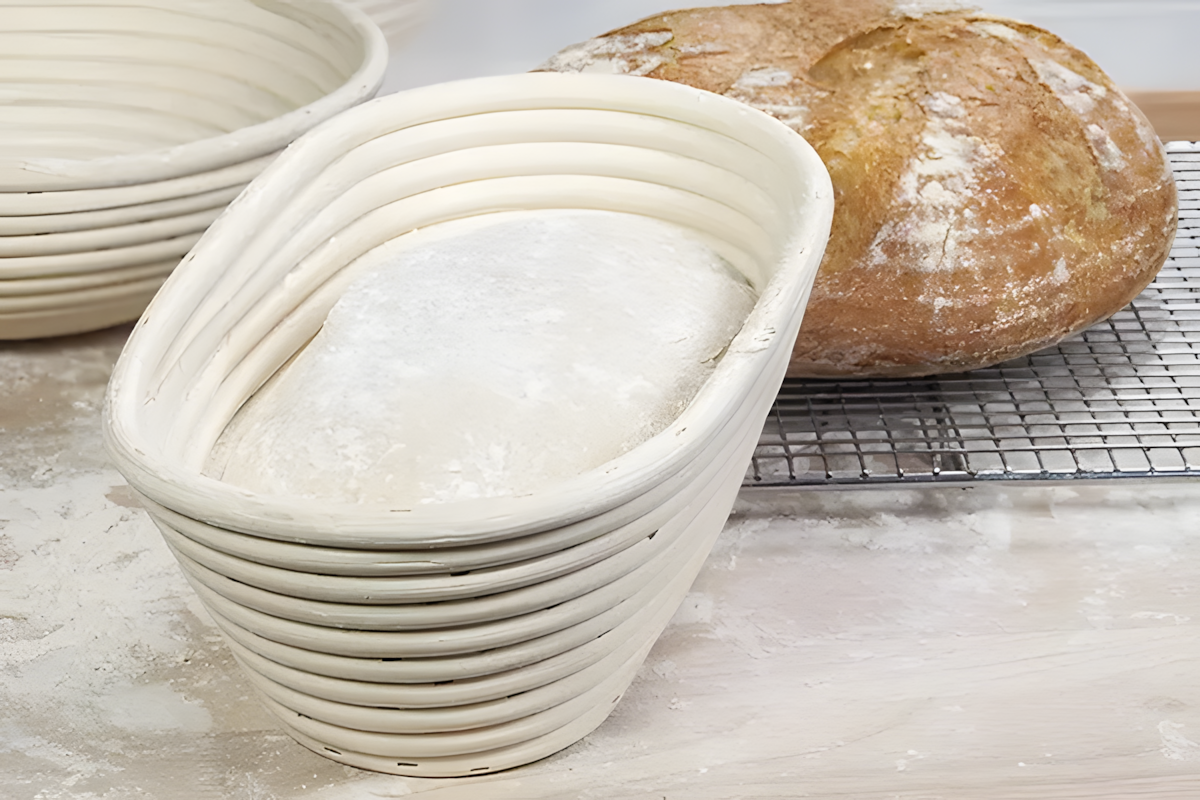
A banneton is a coiled basket, traditionally rattan or cane, that holds shaped dough through its final proof. It is not a mold. It is not a baking vessel.
So what is a banneton basket actually for? Two things. It stops a wet, slack dough from spreading out flat. And it presses a spiral into the surface that opens into a patterned crust in the oven.
That is the whole idea. Everything else is detail on top of those two jobs: coil spacing, rim, liner, diameter, material. This article goes through all of it, including the parts that are not flattering to the product.

What a banneton looks like, and how it is built
Pick one up and you can see three parts. Each does a different job.
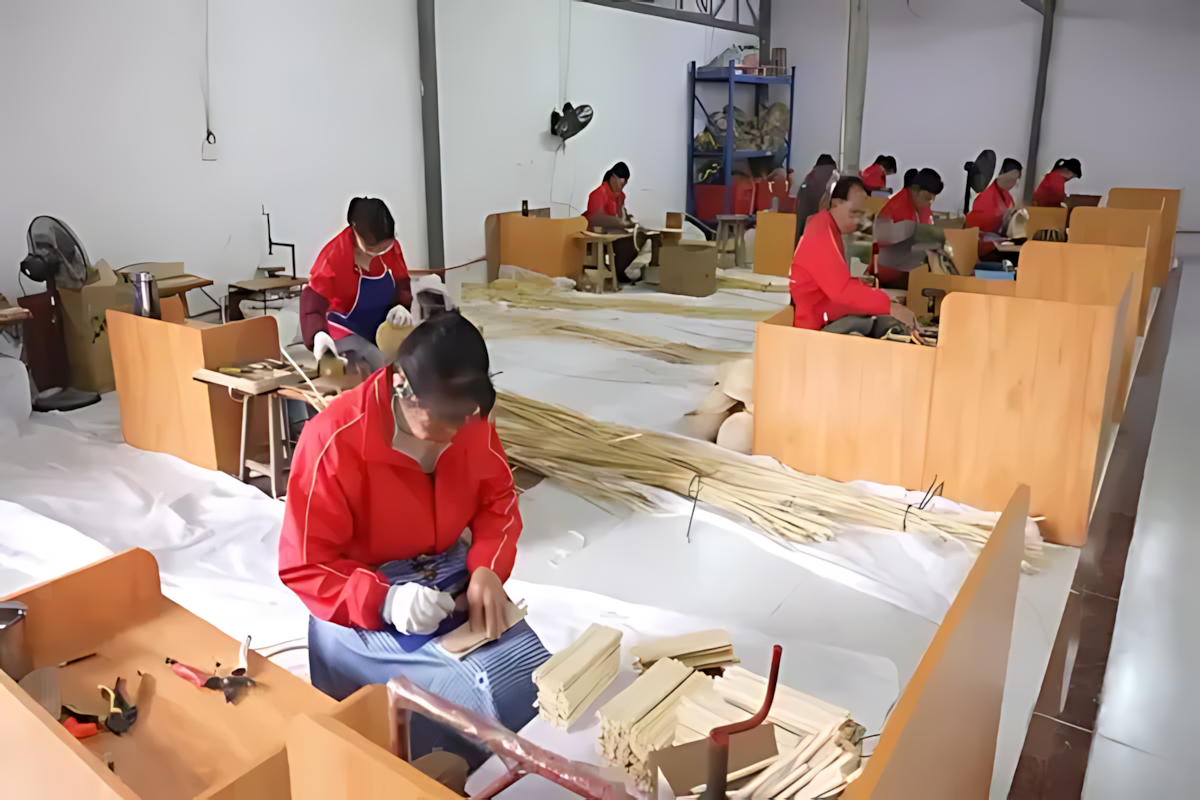
The body is a continuous coil, wound from split rattan or cane and bound with cane or cotton thread so the rings stay where they were put. Rattan is not a timber. It is a climbing palm vine, harvested in lengths, then split by hand into strips of two to three millimeters.
A basket takes one long strip, wound from base to rim with no joint in the middle. That is why a coil basket survives being knocked around: no seam to fail.
The coil spacing is the part people underestimate. Small gaps between the windings let air move around the dough, which matters most during a long cold retard. Eighteen hours in a five degree fridge, with dough sealed in a smooth container, produces condensation.
The condensation runs down and pools at the base. It turns the underside of your loaf tacky, a defect that only shows up after baking, when the base sticks to the peel or scorches unevenly.
A coiled basket avoids that by letting the surface breathe. Tight, well-set coils give airflow without letting dough squeeze through. Loose coils? Both jobs fail.
The rim is usually bound tighter than the body, sometimes doubled with a second pass of thread, because that edge takes the load when you flip a kilo of dough onto a peel.
This is where cheap baskets fail first. An under-bound rim goes soft after a few months of daily use. Once it deforms, the basket will not sit flat, and the underside of every loaf comes out lopsided.
Last summer a distributor in the Netherlands sent back 35 nine-inch baskets from one batch. The rim had been bound with single thread and went soft in their wash-down room. We rebound them, and changed the rim spec on every order after that.
The base is flat or very slightly domed, and it decides how your loaf sits. Too wide and you get a low, wide loaf. Too narrow and the dough climbs the walls, leaving a tall narrow cylinder that is awkward to score and will not fit a round stone.
Why the pattern shows up in the finished loaf
Dough pressed into a coiled basket takes on the negative of that surface. The cane rings sit slightly proud of the gaps, so the dough touching them is compressed a little more than the dough between them. You cannot see it while the dough is in the basket. You see it when you flip the loaf out. Faint, floury, concentric lines.
During oven spring the compressed lines release at a different rate from the crust around them. The rings stretch, separate, and the pattern opens up. High hydration doughs show it most, because there is more steam and more expansion. Lean doughs, low hydration, or a short final proof show fainter lines, because there is less spring to work with.
The pattern is cosmetic. That is the uncomfortable part, and a lot of baking writing avoids saying it. You can bake outstanding bread with no pattern at all. A liner flattens the pattern almost completely and does not hurt the loaf. Not one bit.
What is not cosmetic is support. A 78 percent hydration dough spreads into a pancake on a bare bench. In a basket it holds its height for eighteen hours. That is the part you are paying for, and the part a colander can only half-deliver.
A short history, because the name confuses people
Banneton is French. It means a small basket, and bakers were using woven baskets for dough long before anyone wrote a recipe down. French bakers worked with wet doughs, and wicker was what was at hand: a village craft product made from whatever vine grew nearby.
The German-speaking world built the same object independently under the name brotform, literally bread form. German brotforms tend to have a more pronounced spiral and a sharper rim. French bannetons sit flatter, with a more open coil.
Both crafts nearly died in the twentieth century, when industrial bakeries proofed in tins and on conveyor belts. What brought them back was not the bakery industry. It was the home sourdough boom of the 2010s, which turned a village product into a global accessory almost overnight.
Most baskets sold online today are wound in Asia, in workshops that made cane furniture for generations and switched to food-grade production when demand arrived.
That history explains the naming mess you run into shopping. French name, German name, English translations, three or four regional words, all pointing at one object. Some listings treat them as different products at different prices. They are not.
What they are made of
Four materials cover almost everything on the market. The differences are real, not cosmetic.
Split rattan is the standard, and for good reason. It is smooth, flexible, holds its shape for years, and takes a flour dusting evenly. Because rattan is split by hand, thickness varies slightly from basket to basket and even within one basket. That variation is normal. It is how you know the coil was split rather than extruded.
Rattan is what most bakeries settle on after trying the cheaper options first.
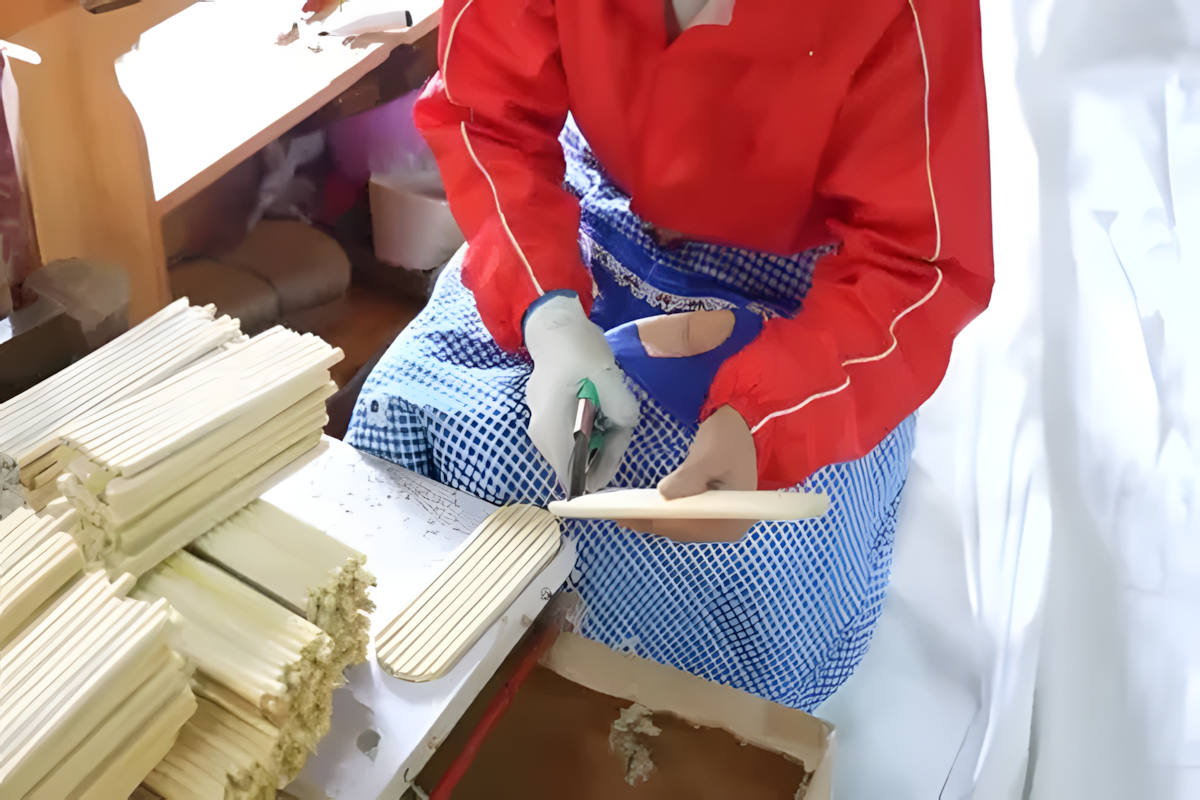
Cane is the same family, coarser, usually cheaper. It works. The surface is rougher, so high hydration doughs grip it harder and it needs a heavier dusting to release. For home bakers who bake once a week, cane is a reasonable budget line. For a shop proofing 60 kilos a day, the extra flour and the occasional torn loaf add up.
Wood pulp is pressed rather than woven. It is light, flat, cheap, and absorbs moisture fast. The trade-off is lifespan. Pulp deforms when damp and does not spring back, and the pressed surface eventually fuzzes.
For a bakery running three hundred loaves a day, a pulp basket is a consumable that will not survive the year. For a gift set or a supermarket promotion, it is the only thing that hits the price.
Silicone and plastic have a real place in freezing, transport, and high-volume work where nobody cares about a pattern. The honest trade-off: no airflow, no pattern, no drying. Dough sits in its own condensation unless you vent it.
The drawbacks, stated plainly
Natural baskets have costs that marketing copy skips. Buyers find out about them later.
They have to dry completely, every time. Rinsing is fine. Warm water, a soft brush, a drop of mild soap if the basket has been in a working bakery. Soaking it, running it through a dishwasher, or putting it away damp is what kills it.
Water swells the cane and loosens the binding. Rinse it, shake it, dry it in the air or the sun, and that is the end of it. Store it wet and it grows mold in the coil gaps within a week. Once mold is in the fiber, you can scrape the surface and still not get it out. That basket is done.
They need flour every time, and more than a thin dusting. Wet dough in an unfloured basket welds itself to the cane. The release tears the surface you spent an hour building.
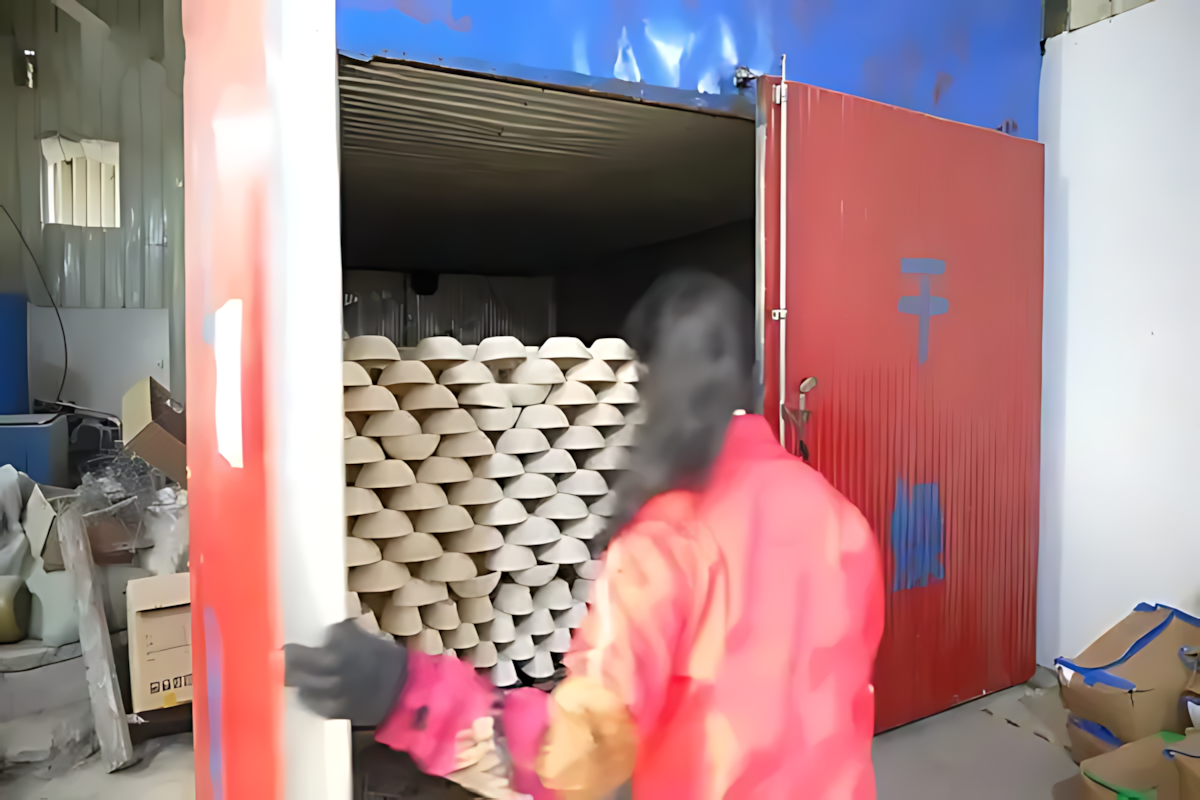
Cheap ones shed. Badly sanded rattan drops splinters into the dough, especially at the rim where the cut ends are. In our experience it starts below $2.50 FOB per piece. This is a food safety issue, not a cosmetic one, and it is the complaint we hear most about low-cost baskets.
They have a break-in period. A new basket grabs harder than a seasoned one. The first five or six bakes are the worst. Then the surface picks up its own flour patina and starts releasing cleanly.
None of that means you should buy silicone. All of it means you should buy from a workshop that sands the inside, binds the rim twice, and dries the coil before packing. Then keep the drying habit once you own it.
The sizes you will actually be asked for
Four diameters cover the retail and wholesale market: seven, eight, nine and ten inches.
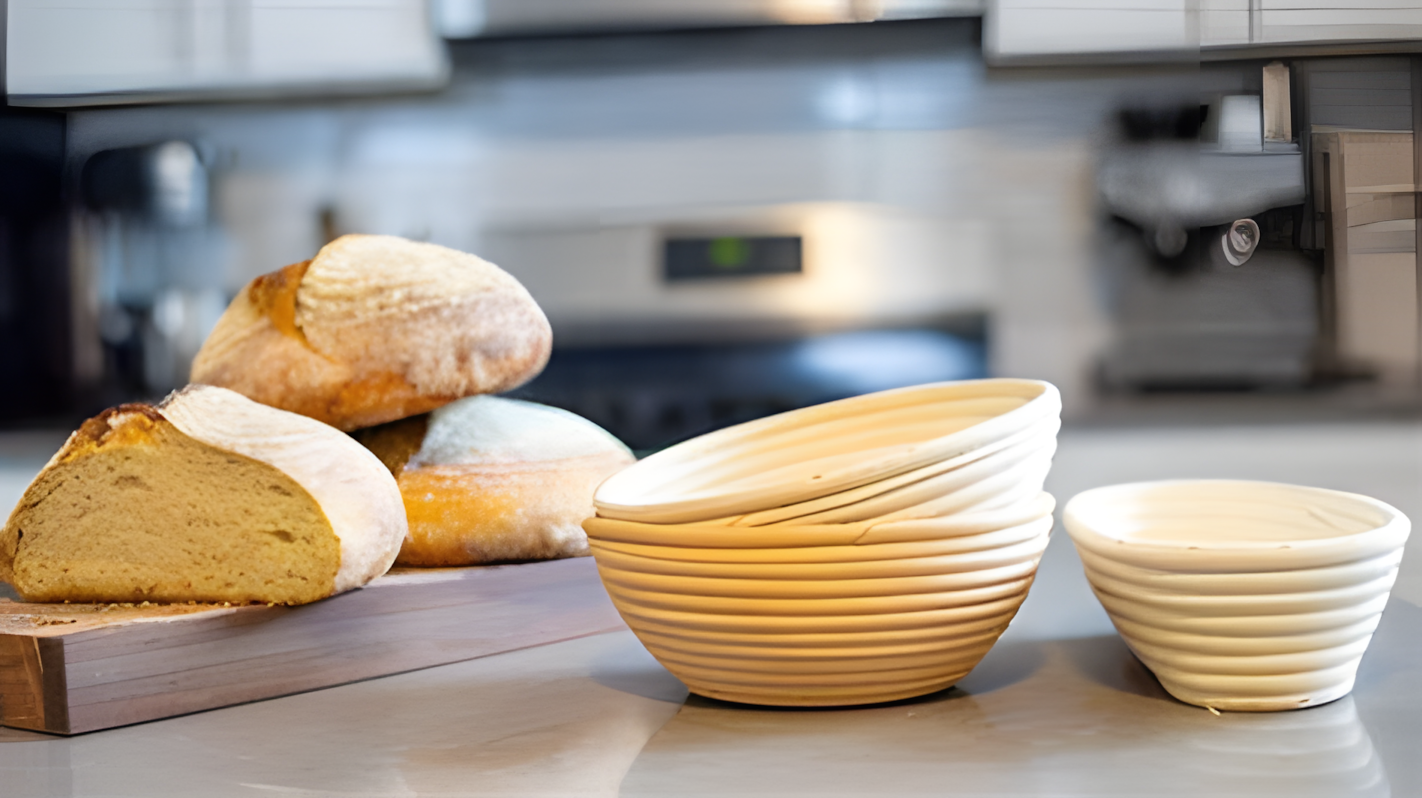
Roughly, a seven inch basket suits a 500 gram dough. Eight inch suits 800 grams to a kilo and is the most common size sold to home bakers. Nine inch covers a kilo to 1.2 kilos and is the standard bakery size for a round loaf. Ten inch is for large boules and miche-style loaves at 1.5 kilos and up.
Those are starting points, not rules. What decides the fit is dough volume, which depends on hydration and how far the dough has already risen in bulk. A 900 gram dough at 85 percent hydration needs more room than the same weight at 70 percent, because it is full of air and water.
If you are sizing for production, match the basket to your standard dough piece and test one batch. Do not calculate from a chart.
Oval versions of the same sizes are used for batards. The oval is what most sandwich loaf and baguette-style production ends up needing, and it is usually the size retailers under-stock, because everyone assumes round is the default. One test batch answers the sizing question faster than any table.
With a liner, or without
A liner is a cotton or linen cloth that sits inside the basket. It gives a cleaner release, keeps the cane cleaner, and flattens the pattern, because the cloth sits between the cane and the dough and takes the imprint itself.
A bare basket gives a sharper pattern and demands a proper flour dusting first. Rice flour, or a rice and wheat mix, applied generously and knocked out.
Most home bakers end up with a liner for wet doughs and a bare basket for everything else. Most bakeries buy both and decide per product line: rustic loaves bare, high hydration and sandwich loaves lined.
There is an economic angle if you are stocking these. Liners wear out faster than baskets. They stain, they shrink if washed hot, they thin at the fold. That creates repeat orders, which is good for a supplier and annoying for a buyer who did not plan for it.
The liner is also the part that decides whether a customer comes back. That is the part most suppliers miss.
Who actually uses them
Home bakers buy one, usually eight or nine inch, usually with a liner, usually after their third flat loaf. They care about whether it is easy to clean and whether it looks good on a shelf.
Bakeries buy dozens in two or three standard sizes, and care about different things: rim strength, consistent diameter so loaves fit the same packaging, coil gaps tight enough to survive stacking, and whether the basket deforms in a hot wash-down area.
Distributors and private label buyers buy cartons. They care about carton configuration, whether the liner is packed separately or nested inside, labeling and barcodes, and how much the stack crushes in a shipping container. That is where the specification actually gets decided.
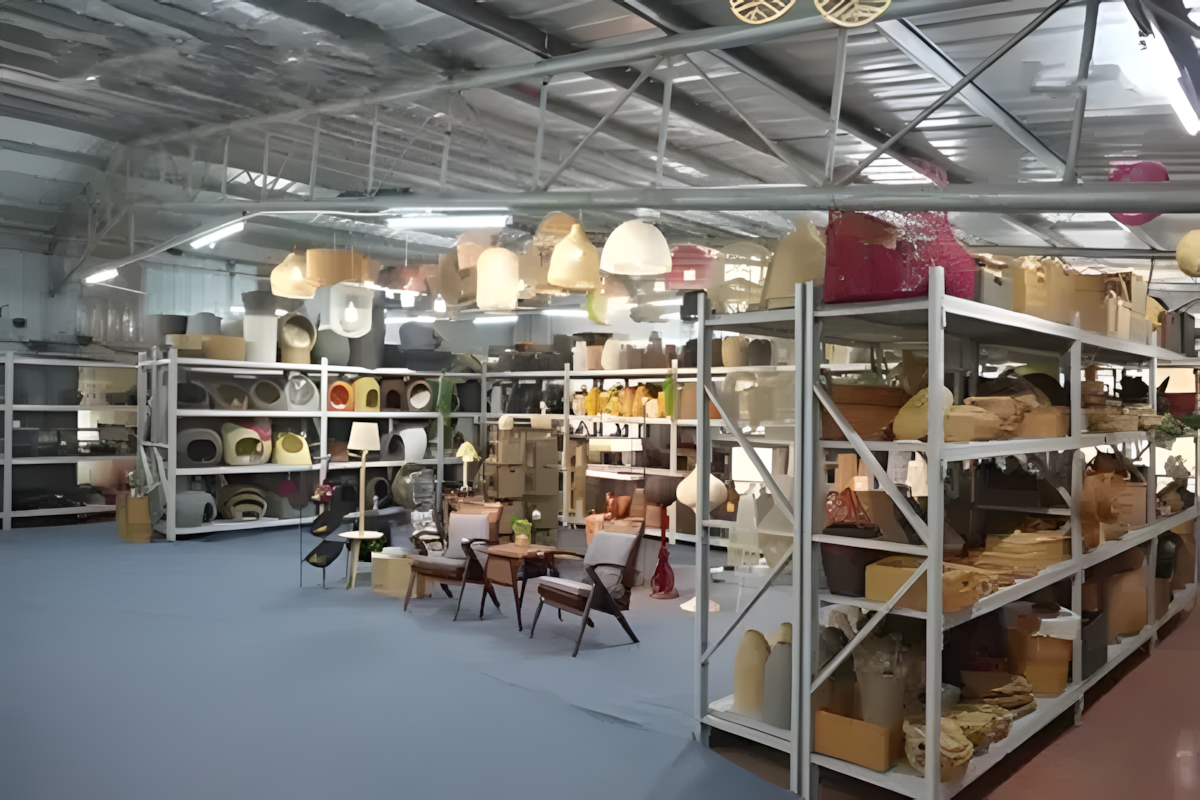
A fourth group gets overlooked: equipment resellers and cooking schools. They buy in the low hundreds, they need a recognizable mark on the rim, and they will not reorder if the diameter varies between shipments. Consistency is the whole product for them.
What a banneton is not
It is not a bowl. A bowl is smooth, holds moisture against the dough, and gives you no pattern. Does the crust really differ? More than most people expect.
It is not a baking tin. Rattan will scorch, the coil will come apart, and the basket will smell of burnt sugar for the rest of its life. You proof in the basket and bake on a stone, a steel, or in a Dutch oven.
It is not strictly necessary either. A towel-lined colander gets a beginner through a loaf, and thousands of good loaves have been baked in hotel pans. What you lose without a basket is repeatability rather than quality. The same dough behaves differently every time.
How to tell a good one from a bad one
Six checks, in the order they matter.
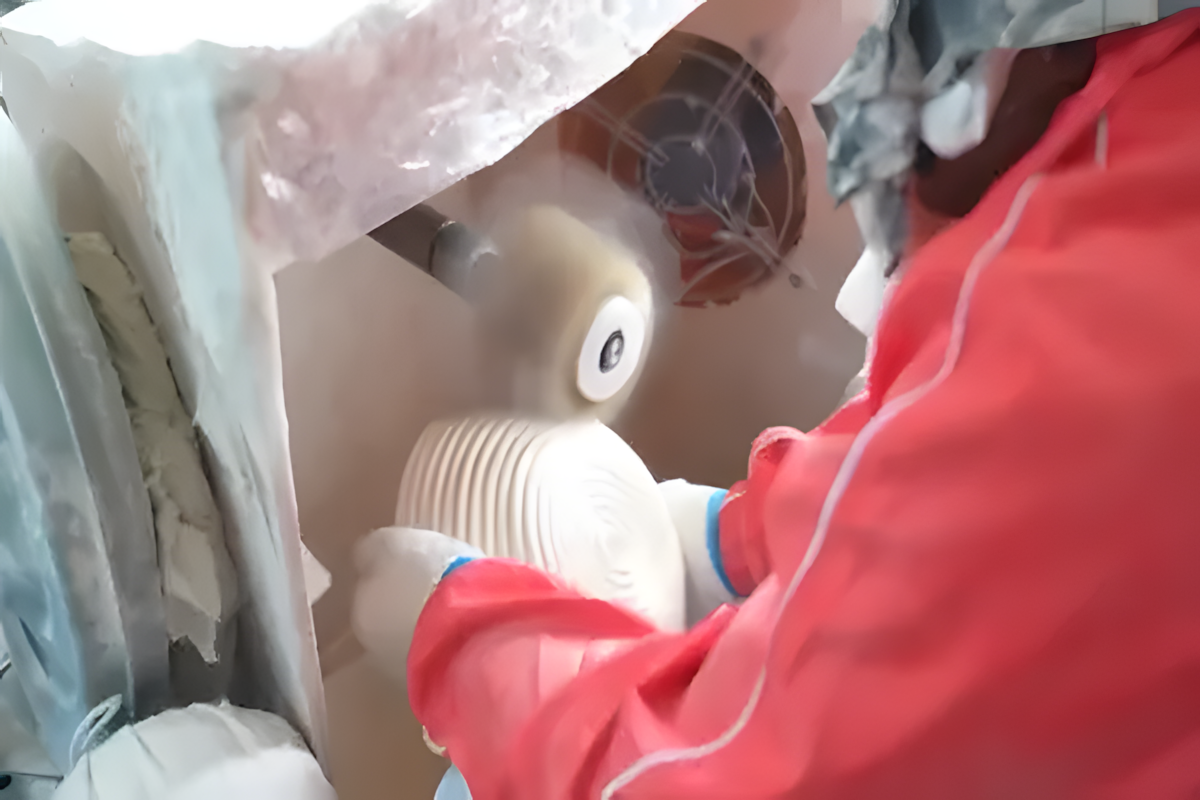
Run a thumb across the inside surface, especially at the rim and around the base where the coil turns. It should feel like polished wood, not like a broom.
Squeeze the rim. It should be bound twice, or at least with doubled thread, and it should not flex much.
Look at the coil gaps. They should be even all the way around. Wide gaps mean dough squeezes through, and you spend the evening picking bits out of the weave.
Set it on a flat surface. If it rocks, the base is not level and every loaf will be uneven.
Smell it. Rattan should smell faintly of dry grass. A strong vinegar or chemical smell means it was treated and not rinsed. That transfers to your bread.
Weigh it in your hand. A nine inch basket that feels suspiciously light has thin walls and will deform. Heavier is not always better, but too light is a warning. Those six checks are what our workshop runs before anything is packed.
We rejected a 600 piece batch in March because the coil spacing ran wide on one side. Dough would have squeezed through. It went back to the winding bench.
Choosing your first one
Four questions, in this order. What size loaf do you bake most often? That sets the diameter. Round or oval? Boules or batards. Liner or no liner? It depends on how wet your dough is. How often do you bake? That decides whether you want rattan or something you can replace without thinking.
Those four, with numbers attached, are the whole of the buying decision. If you have never used one, learn the flouring routine before you buy. Half the complaints about baskets are really complaints about technique.
Common questions
What is a banneton basket used for? Holding shaped dough through its final proof, so it keeps height instead of spreading, and imprinting the coil pattern that opens up in the oven. It is not used for baking.
Is a banneton the same as a brotform? Functionally yes. Brotform is the German name, banneton the French one, and both are coiled proofing baskets. Shape and coil spacing differ slightly between makers. The difference matters less than size.
Do I have to flour it every time? Yes, and more than you think. A thin dusting is not enough for a wet dough. Rice flour works better than wheat because it does not hydrate and stick.
Can I wash it? Yes, with limits. Rinse it, use a soft brush, a drop of mild soap if needed, then dry it completely in the air or the sun. Never soak it, never put it in a dishwasher, never put it away damp.
How long does one last? A well-made rattan basket used daily in a bakery holds up two to four years. We have never had a coil failure inside two. A home baker's basket usually outlasts the baker's interest in sourdough. Wood pulp, six months to a year.
Does the pattern work with any recipe? No. It needs oven spring to open up, so it shows best on high hydration sourdough with a full final proof. Enriched and low hydration doughs keep the marks faint.
Why does my basket smell sour? It was stored damp, or dough got into the coil gaps and was never brushed out. A light case is fixable. Brush it out, wipe with weak vinegar, dry it fully in the sun. A heavy case is not.
Where ours come from
We wind these baskets in our own workshop, from rattan we select and split ourselves, in seven to ten inch round and oval, with or without liner. Every one is checked for splinters before it is packed.
If you are sourcing for a shop, a distributorship, or a private label line, we send samples before you commit to a carton. You can ask for a quote here or look through the current range.